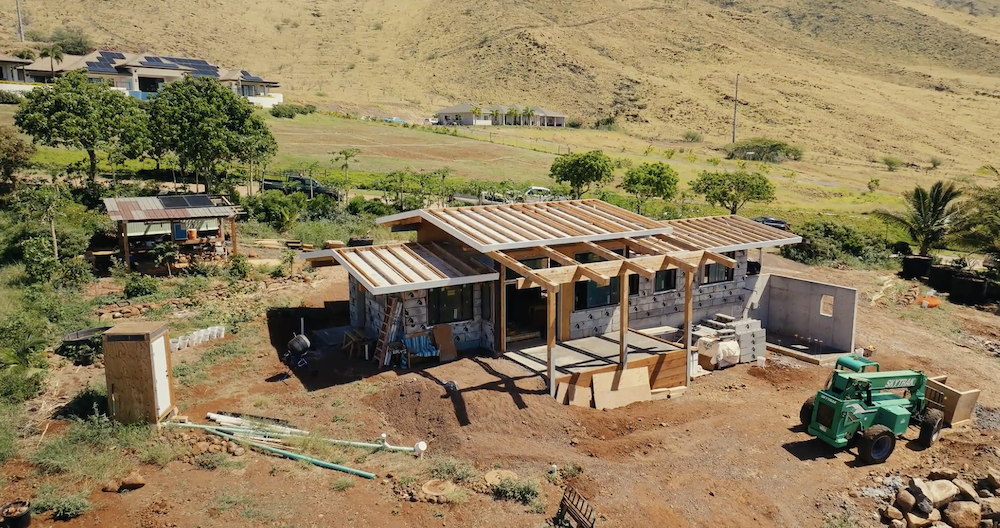
olowalu
Architecture: Hawai’i Off Grid Architecture
Principal: David Sellers
Project Managers: Matthew Kopp
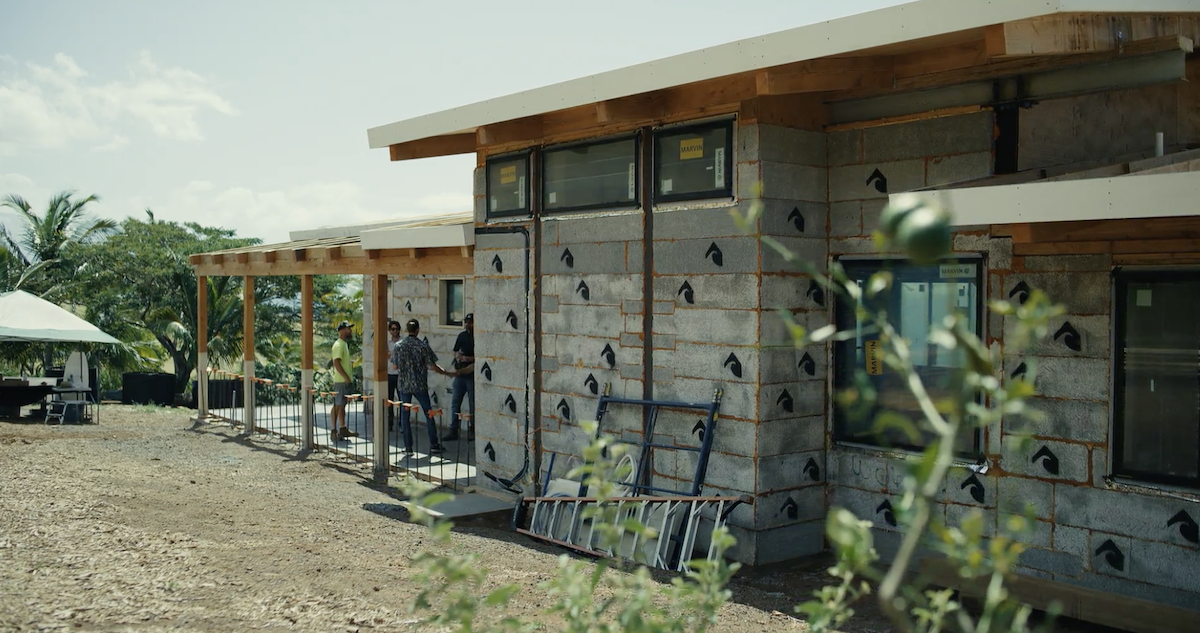
Situated on the sunny west side of Maui in the ahupuaʻa of Olowalu, this project demonstrates what thoughtful design can achieve within the constraints of a limited footprint and budget. The site sits in one of the island's most fire-prone corridors, a reality that shaped every material decision from the ground up.
The client came to Hawaii Off Grid with an uncommon brief: a private residence that could also serve as a hub for agricultural education, hosting classes, workshops, and community gatherings, without those two worlds bleeding into each other. Square footage was limited, and the terrain offered a natural solution.
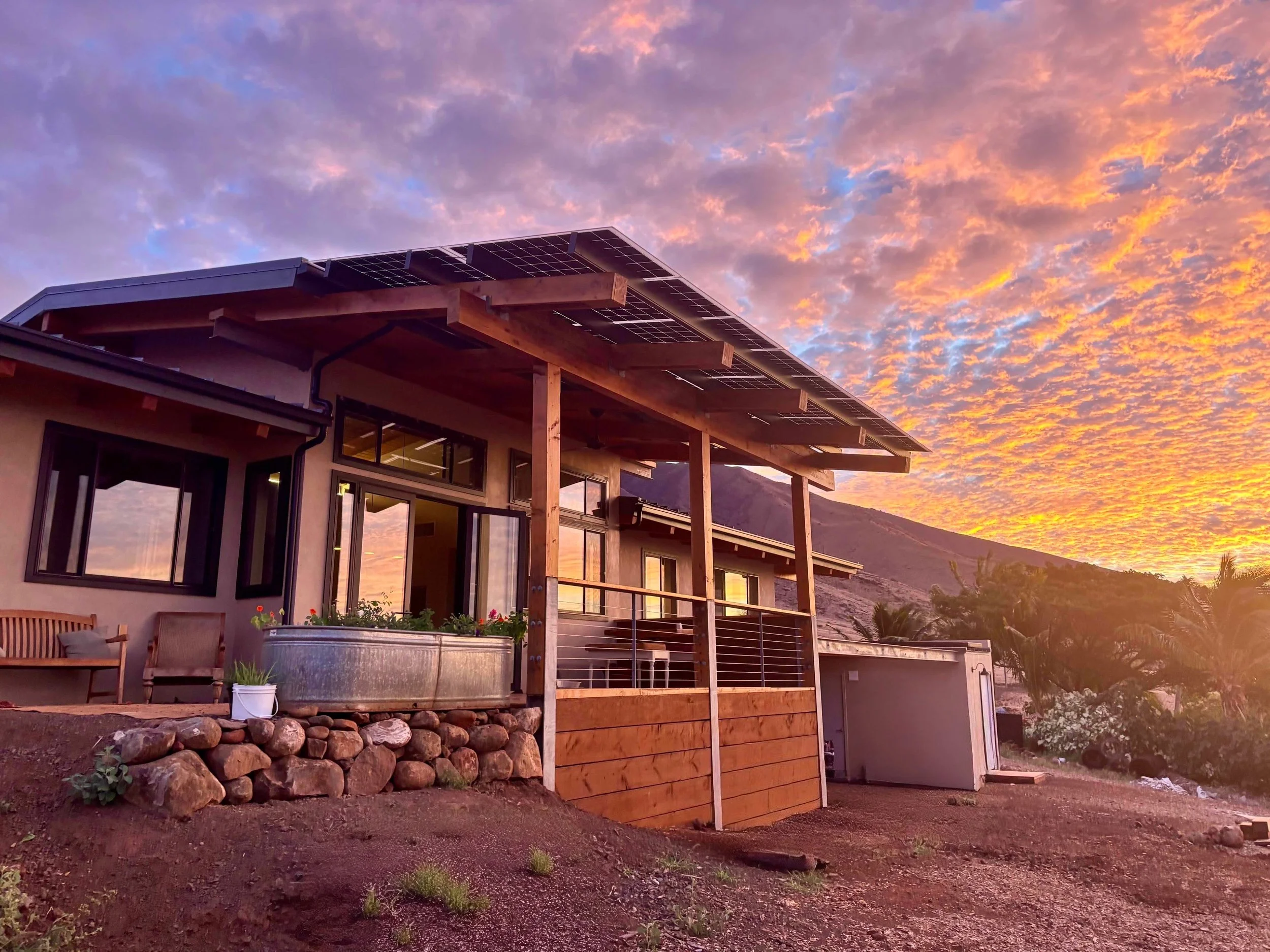
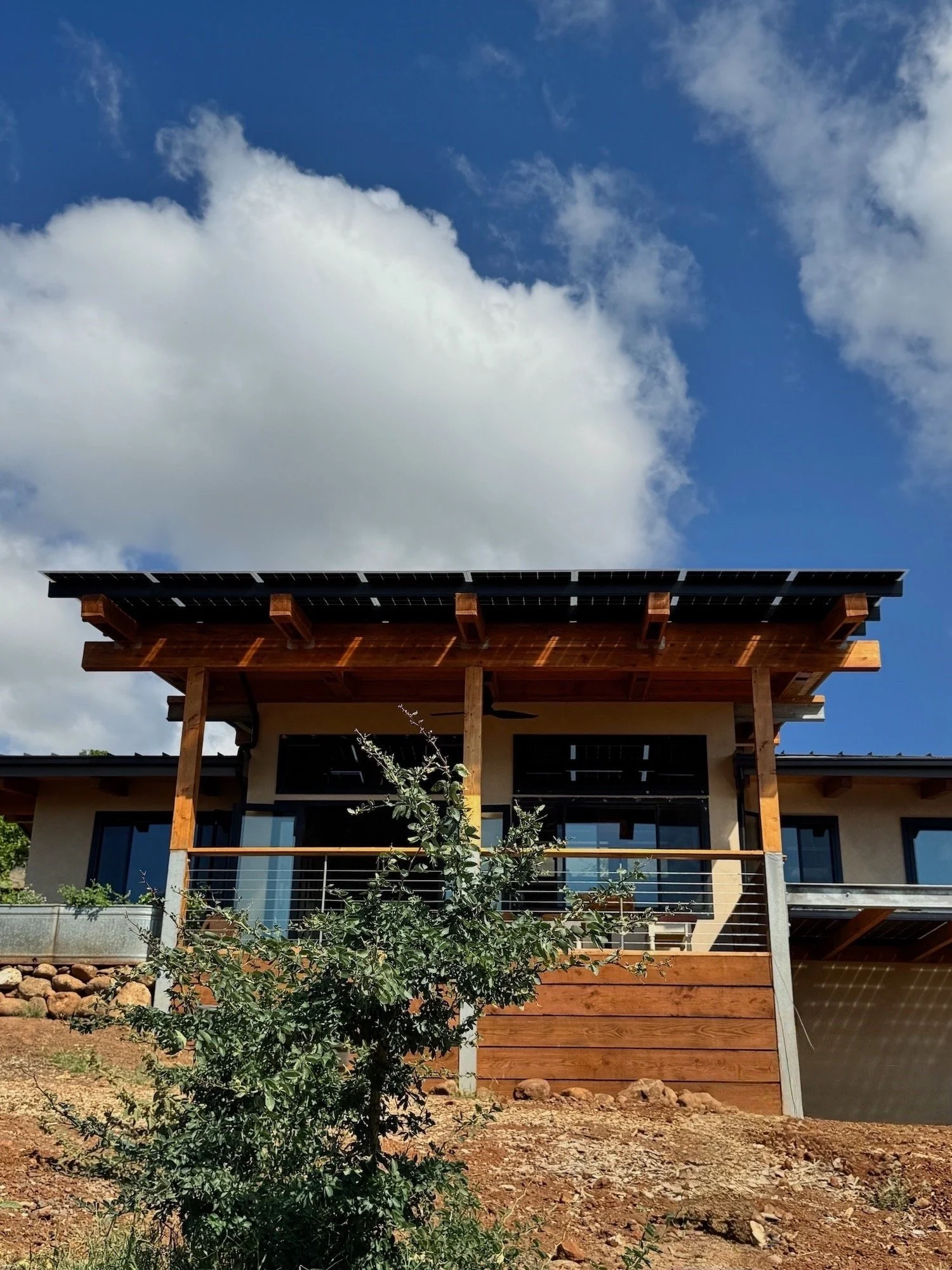
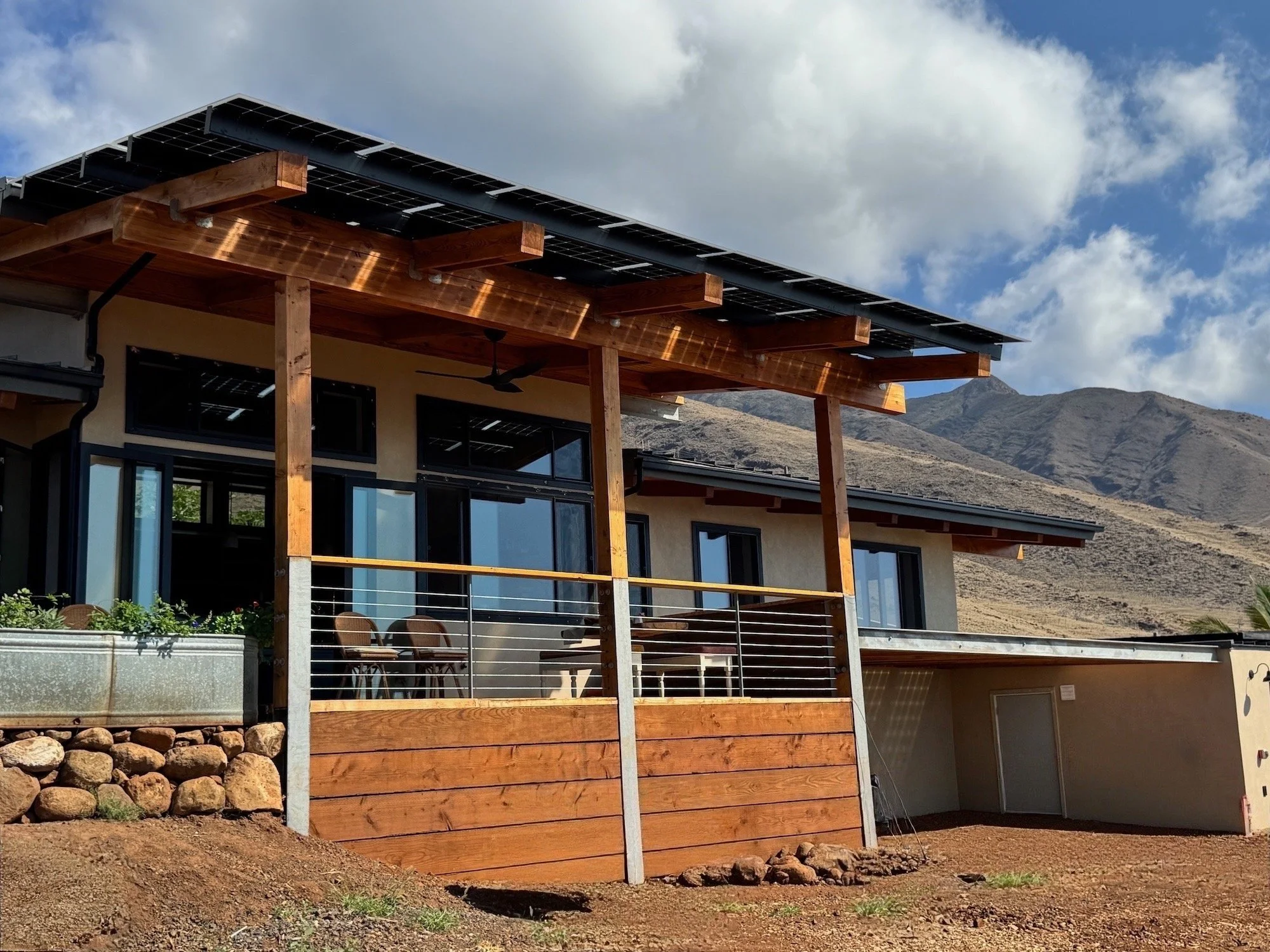
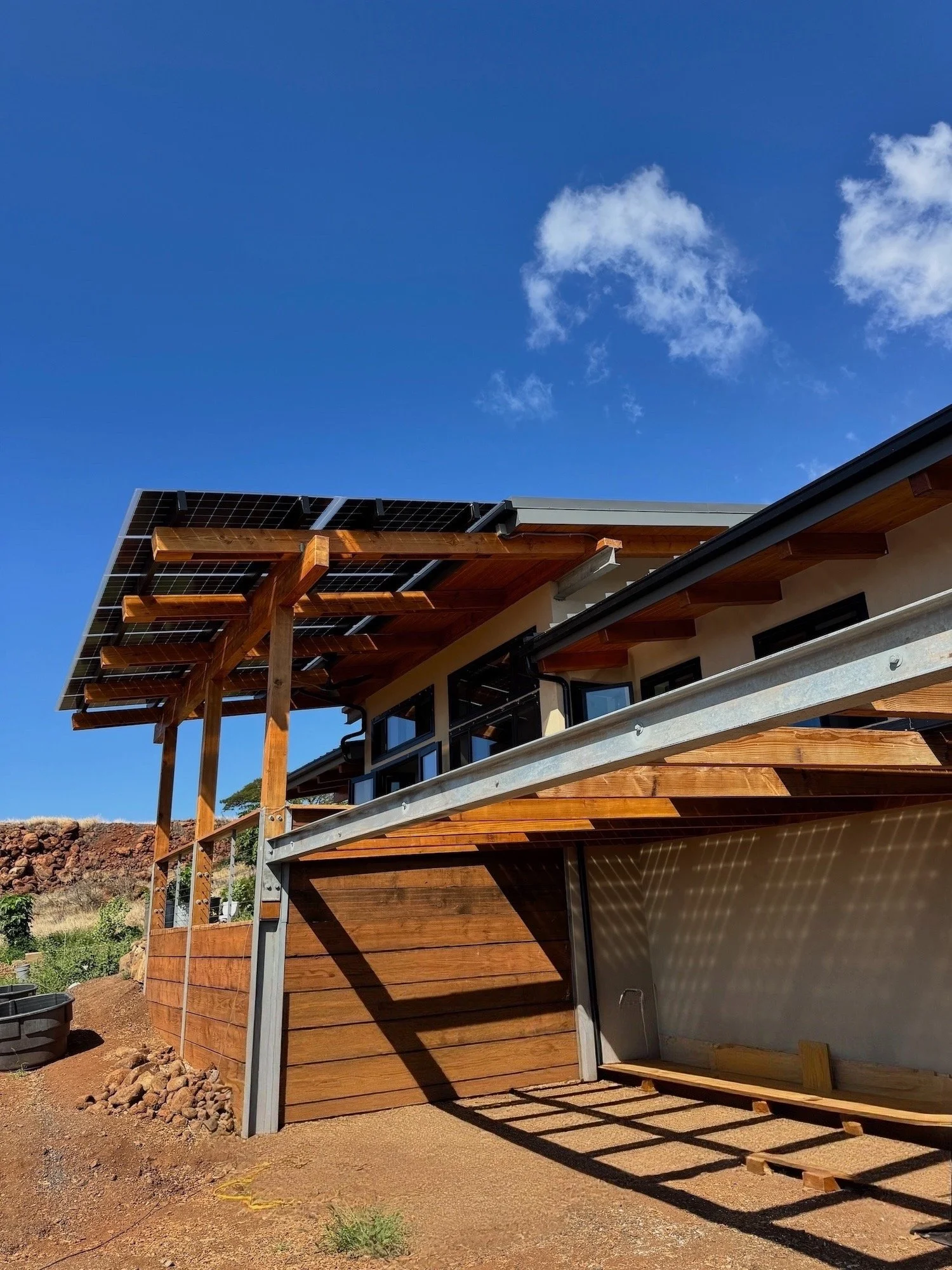
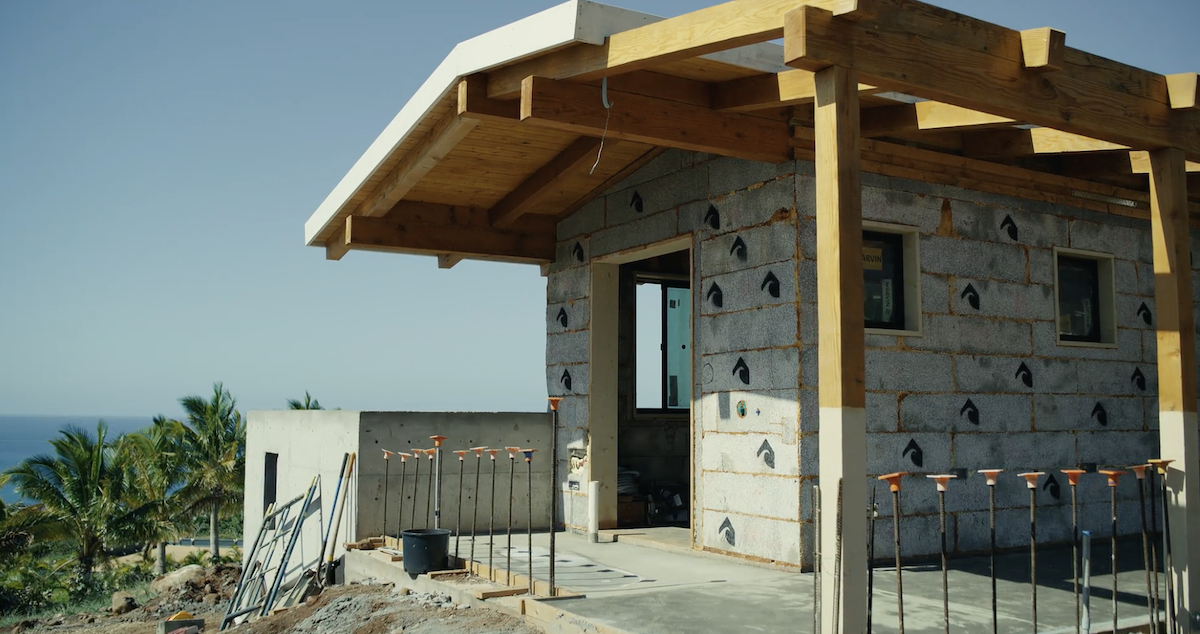
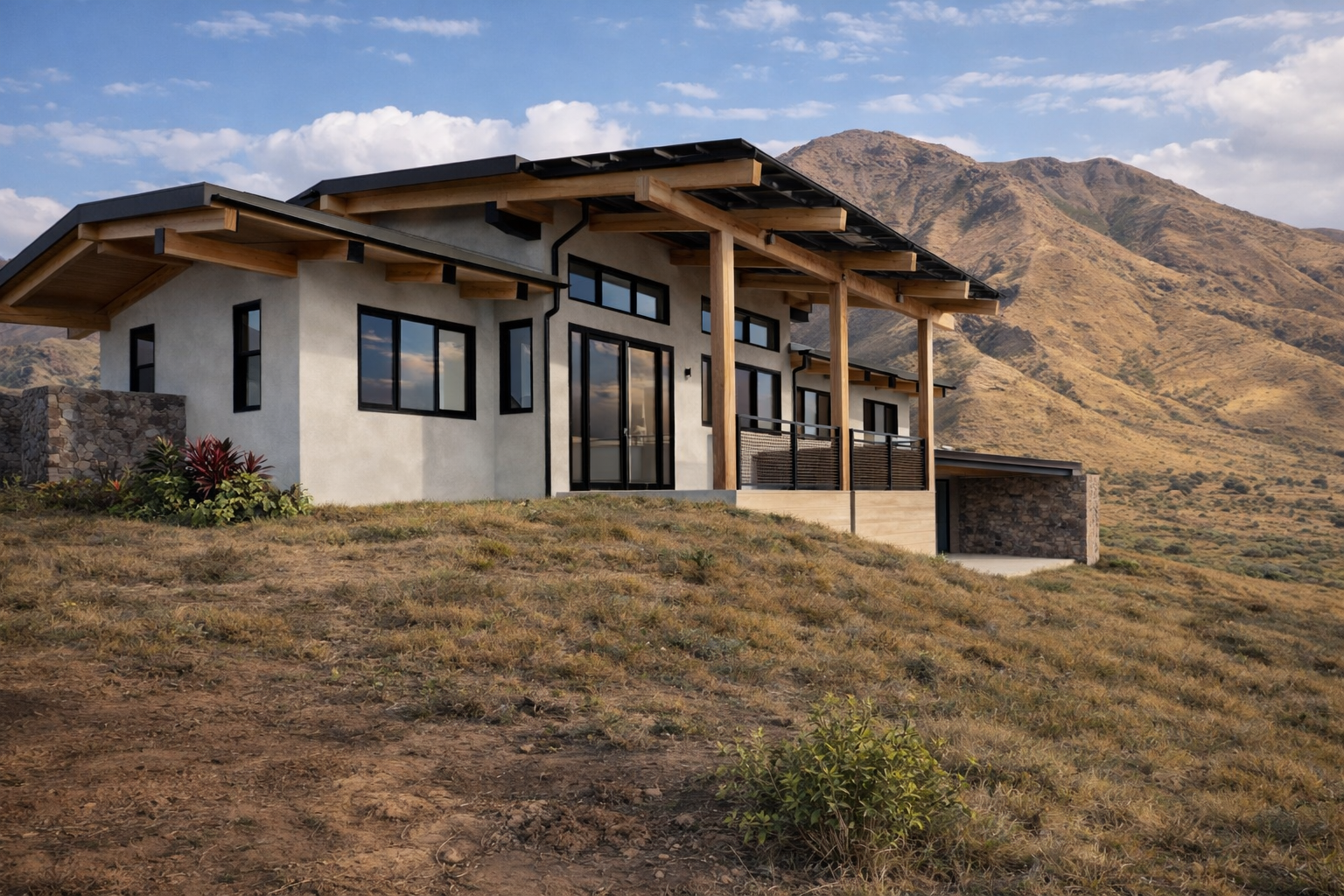
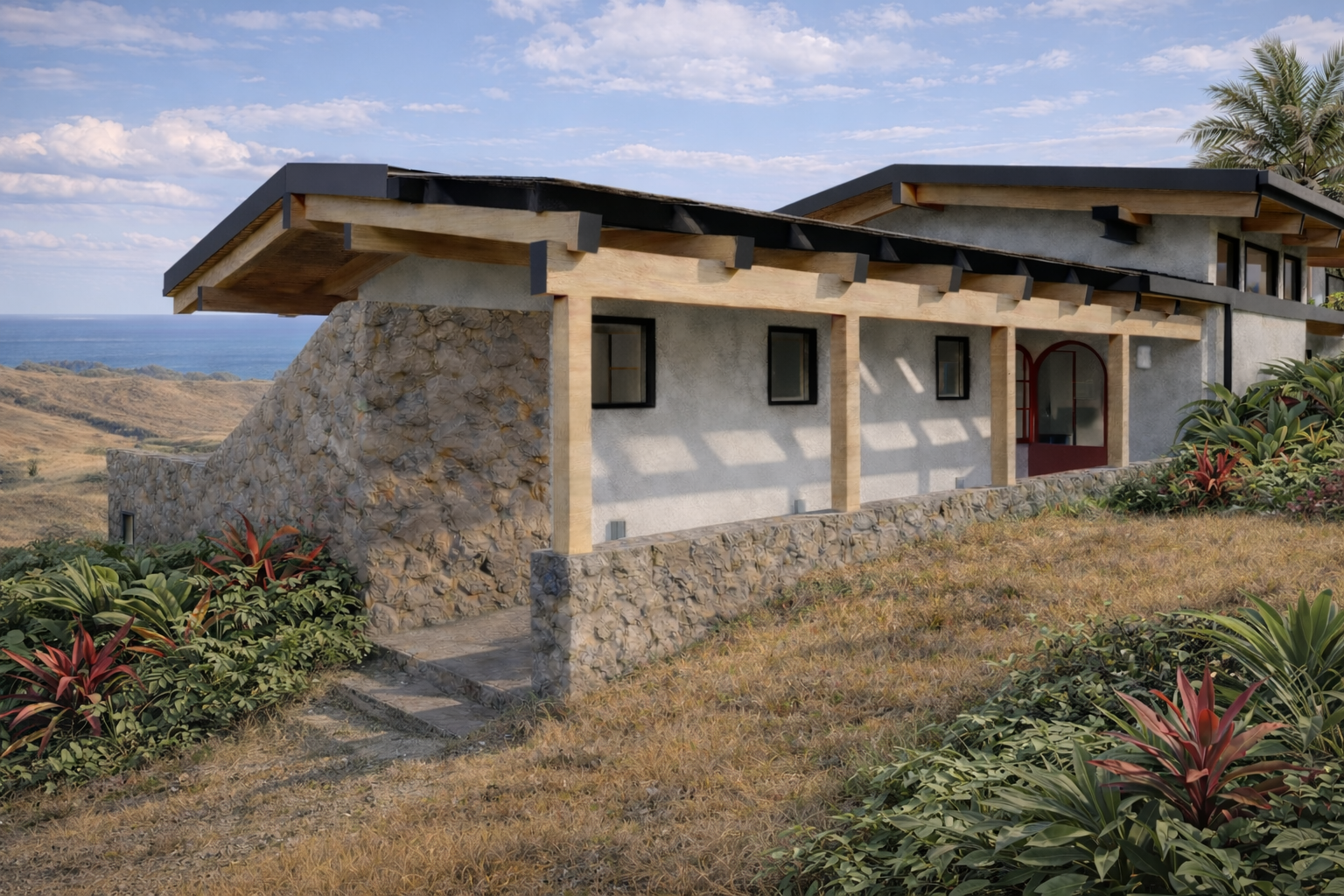
After exploring a range of schemes, the design team settled on a split-level strategy that keeps the domestic program clean and private on a single-level slab-on-grade, while stepping the agricultural gathering space, complete with its own bathroom and kitchen five feet down to a lower terrace below the main lānai. The separation feels natural, even generous, while adding virtually no additional footprint.
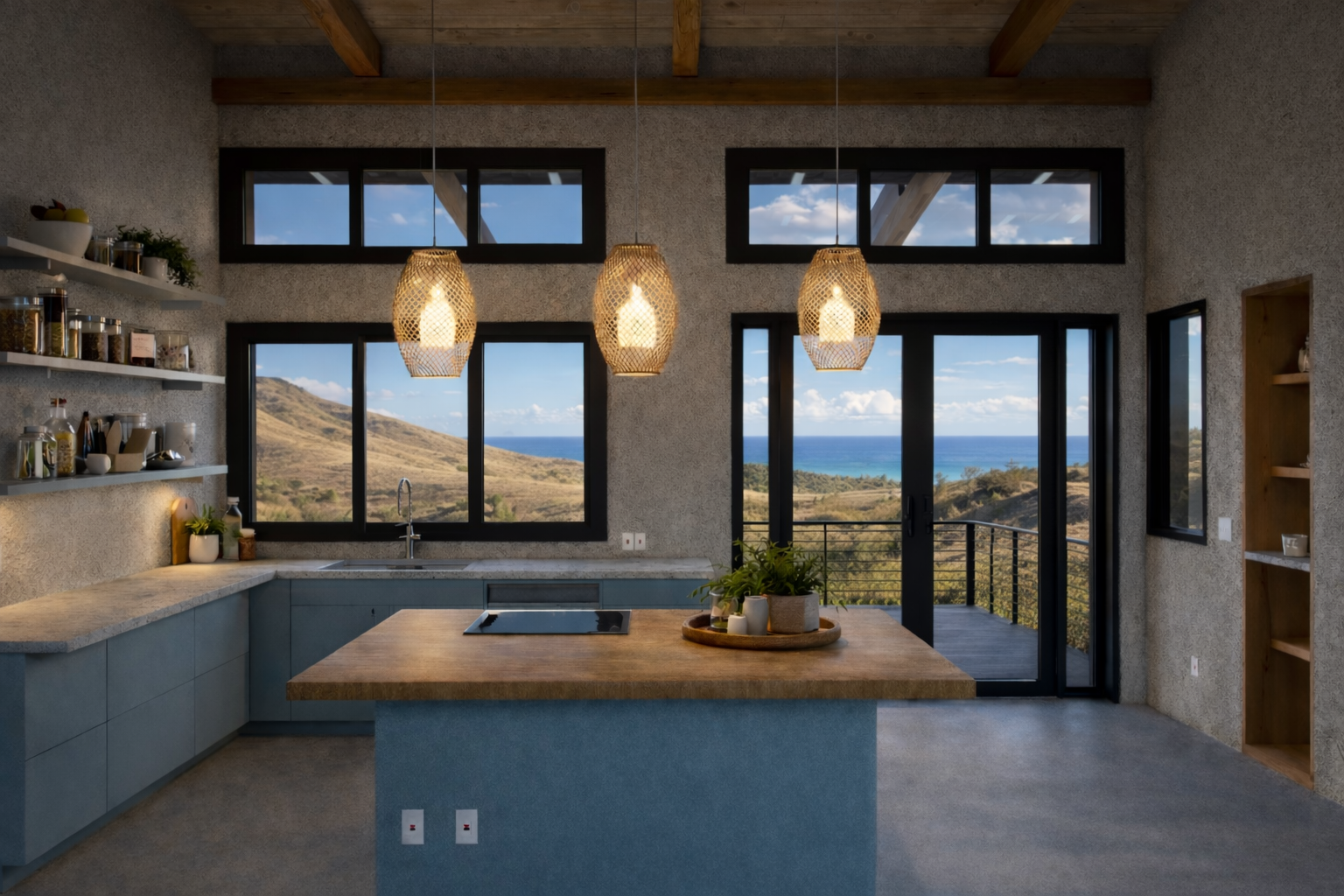
The main floor is organized around a double-height kitchen and dining space at its heart, with two bedrooms and two bathrooms anchoring either side. The arrangement is compact but never cramped, and the volume of the central living space gives the home a sense of openness that belies its modest size.
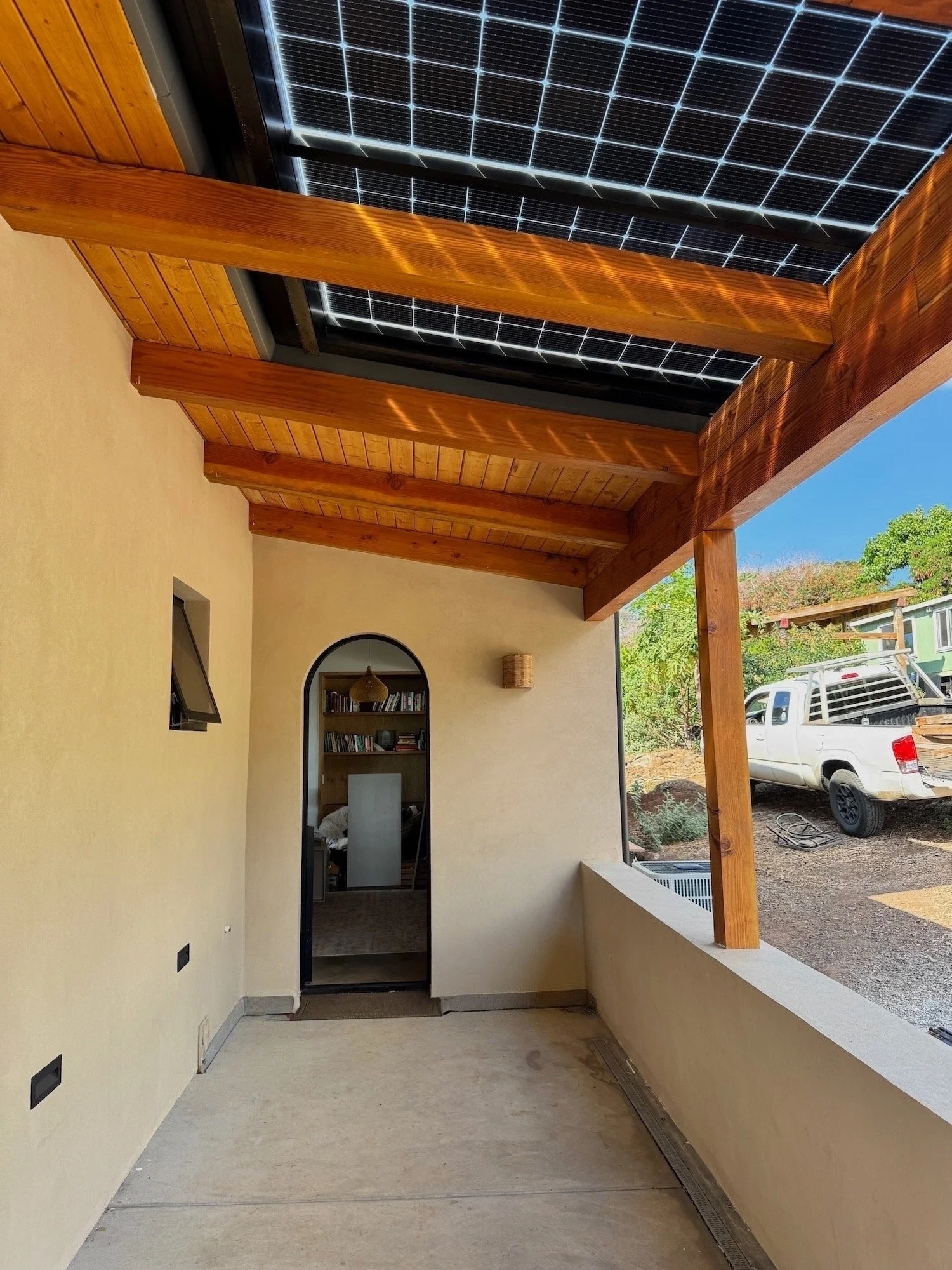
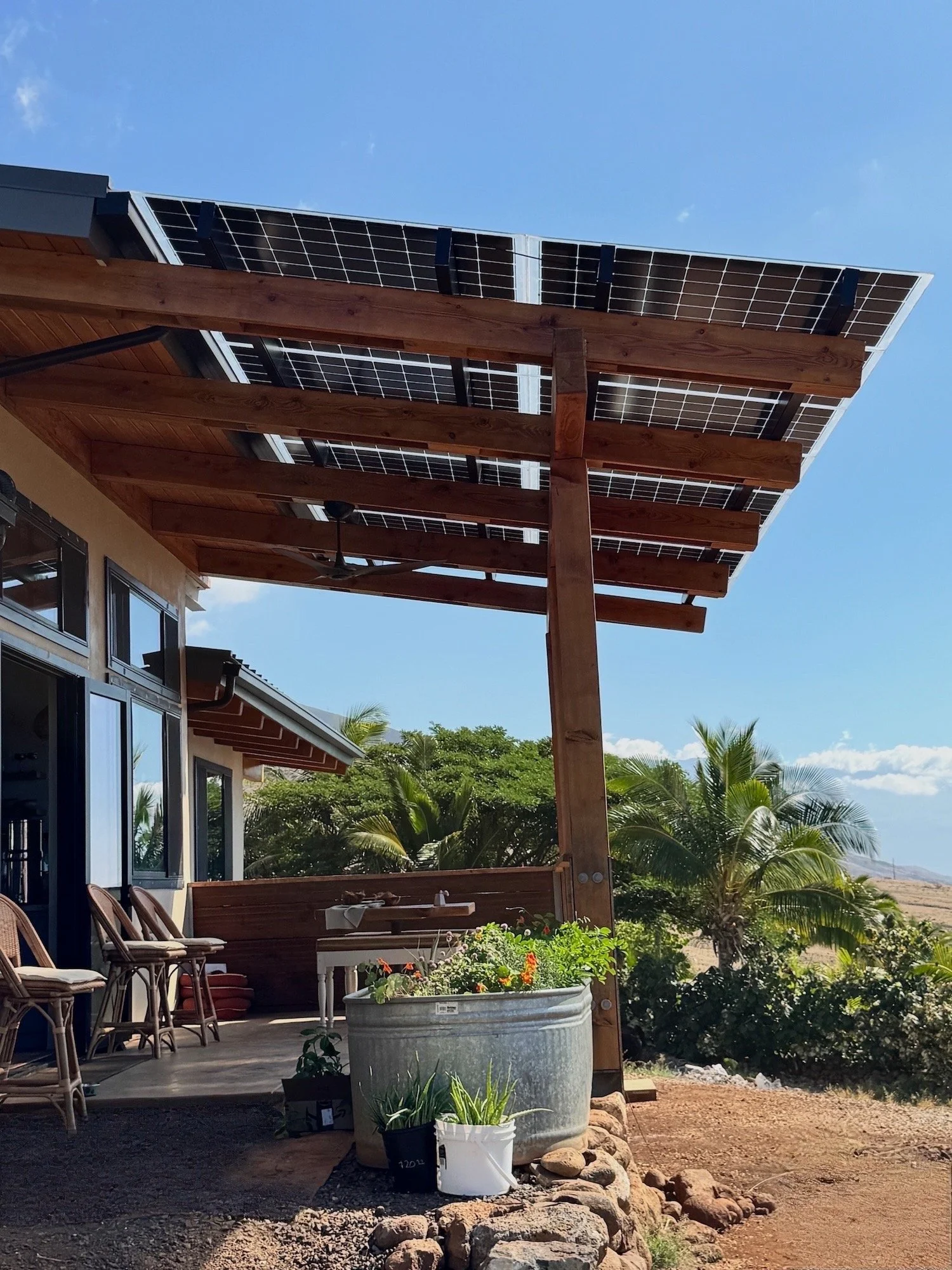
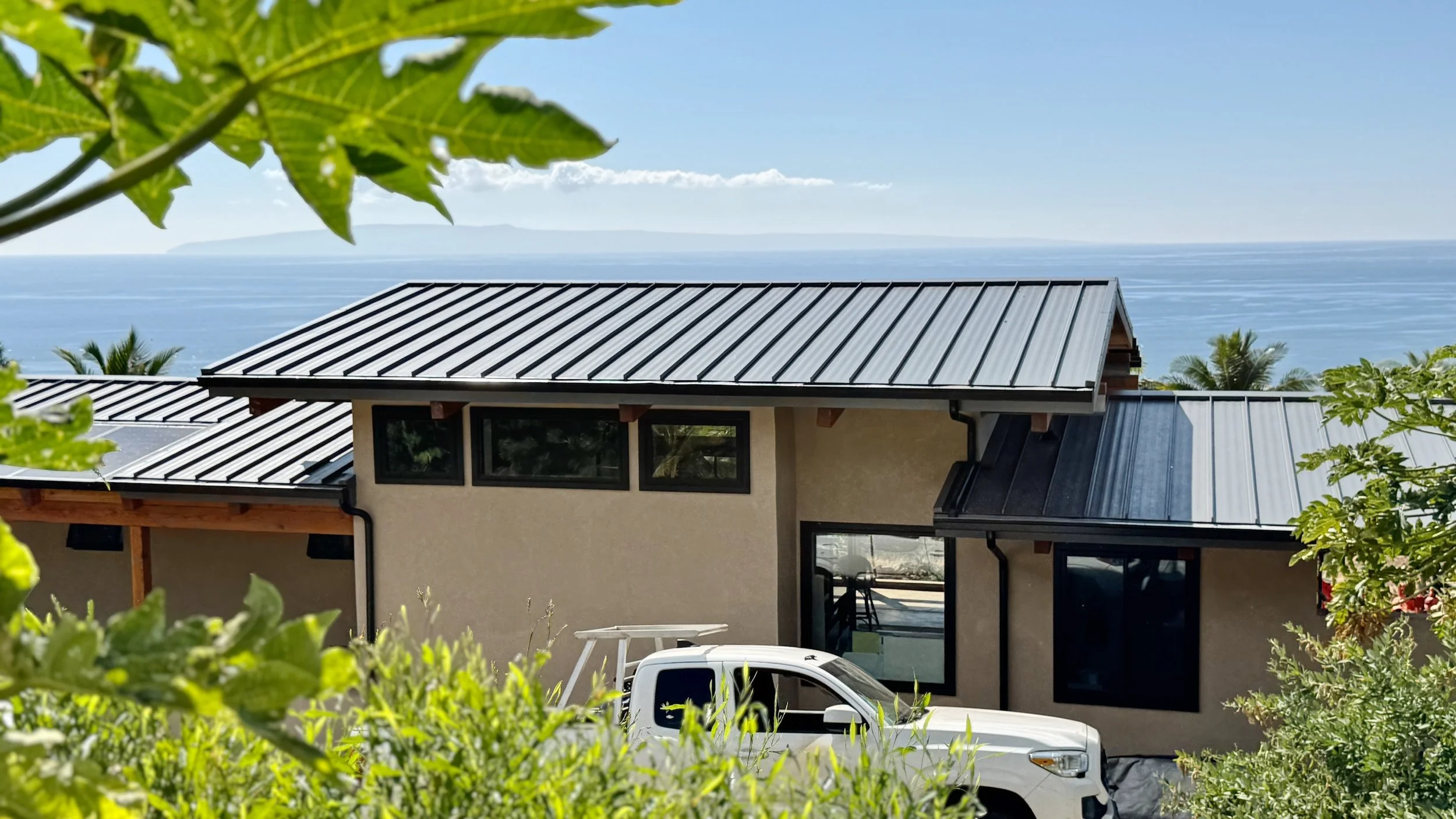
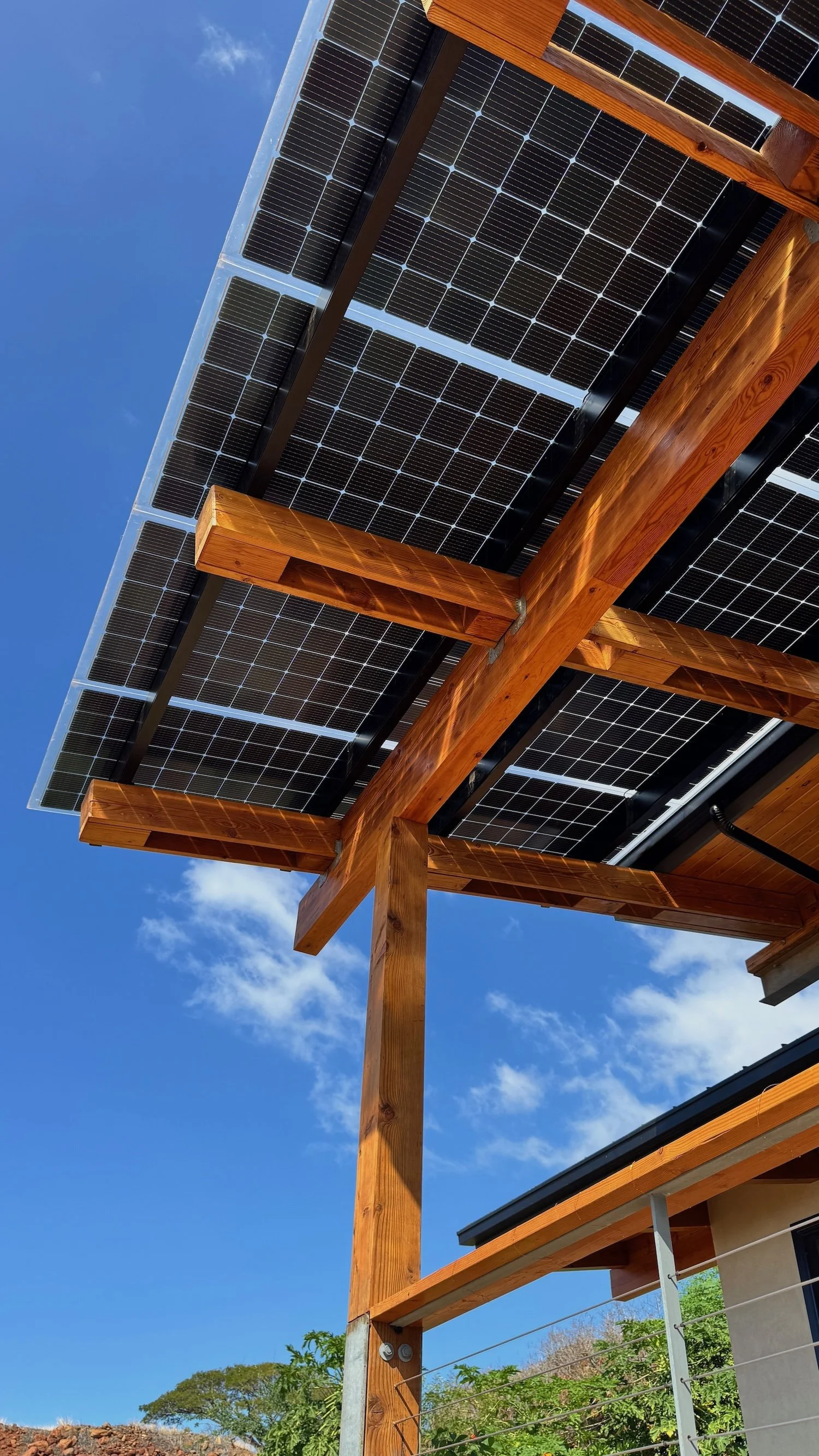
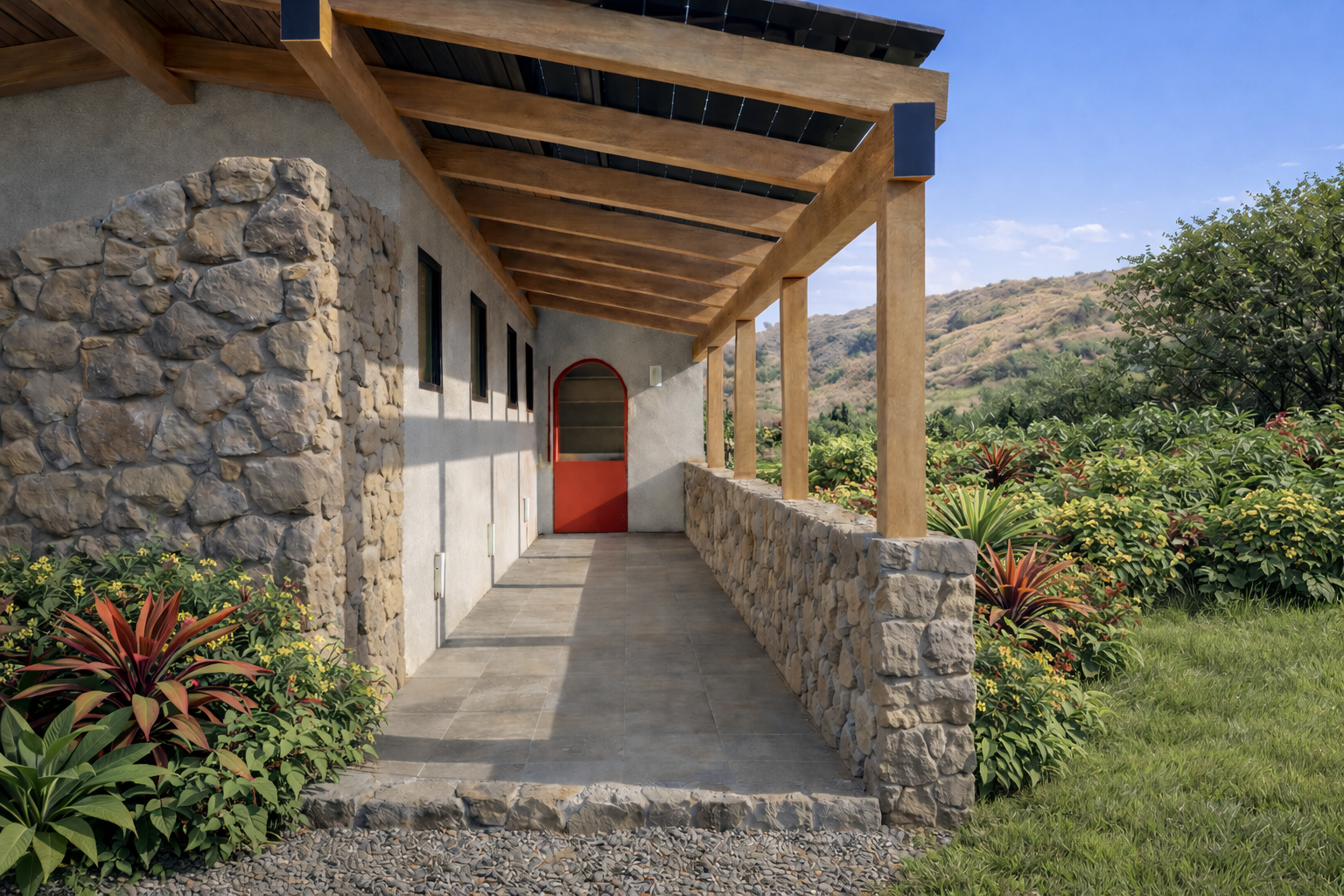
The dominant views look south and southwest, exactly the direction from which Maui's relentless afternoon sun arrives. Rather than fight this with deep overhangs or sacrificed views, the design team turned the problem into one of the project's defining features: an oversized solar array cantilevering from the southern façade. It shades the view-facing glazing during the hottest hours of the day while simultaneously generating all the power the property needs. The home operates entirely off-grid.
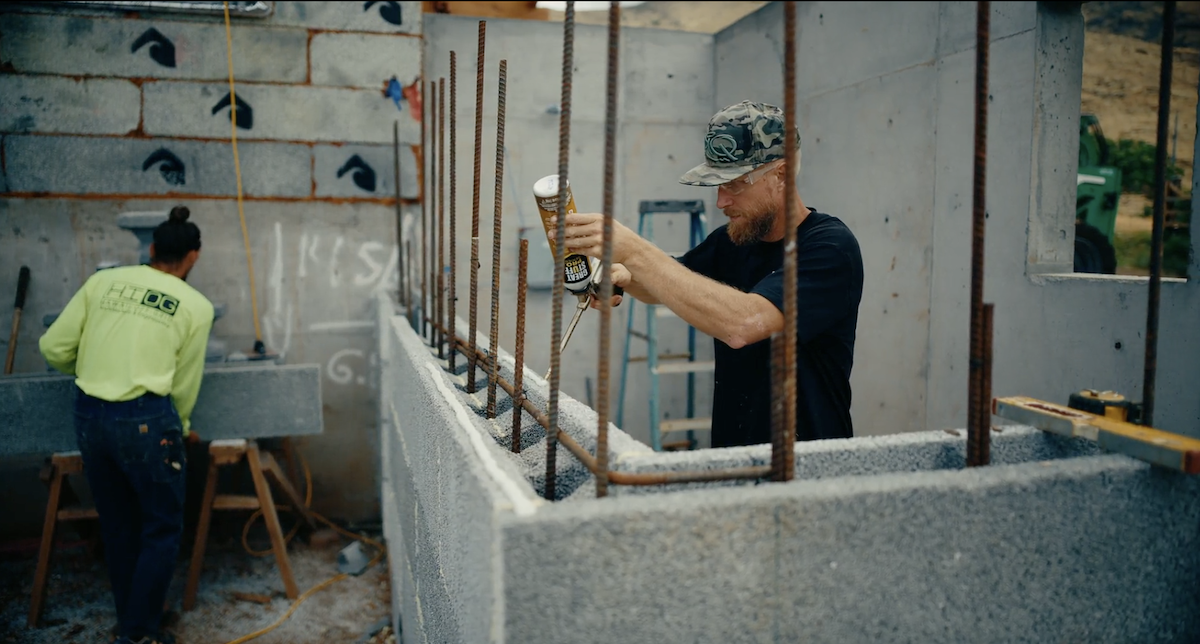
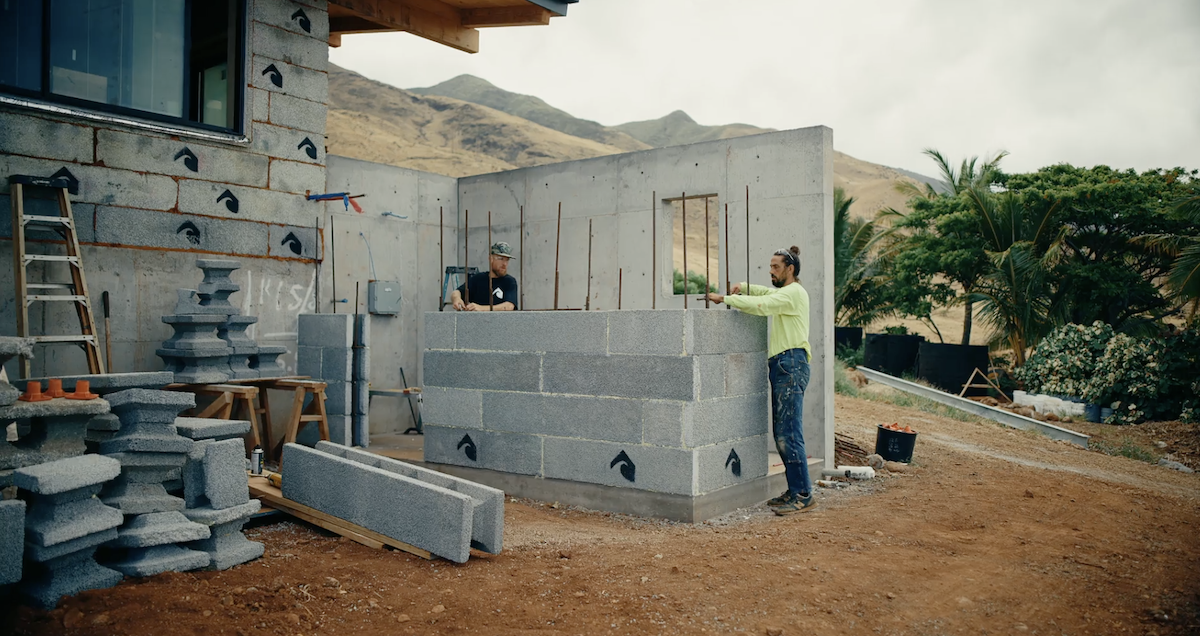
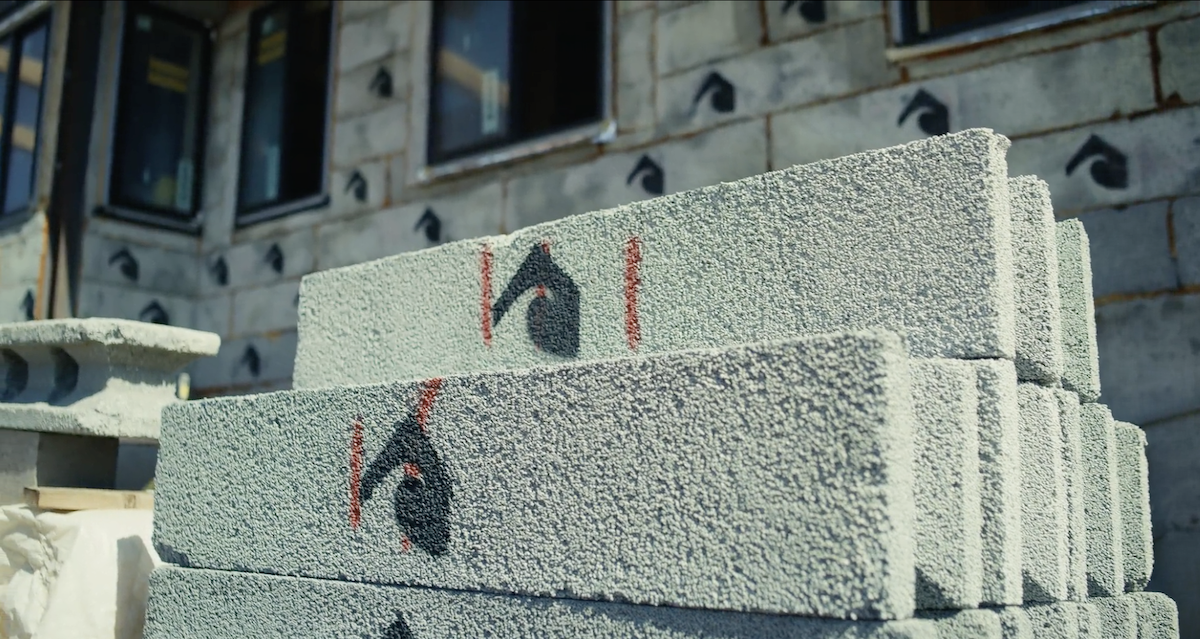
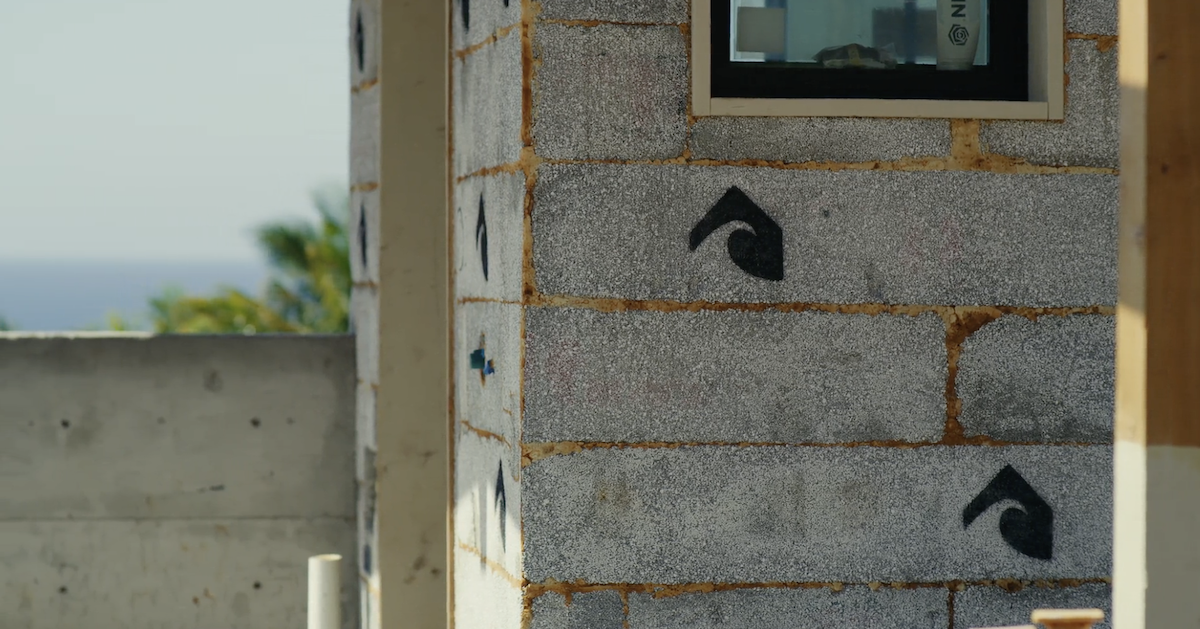
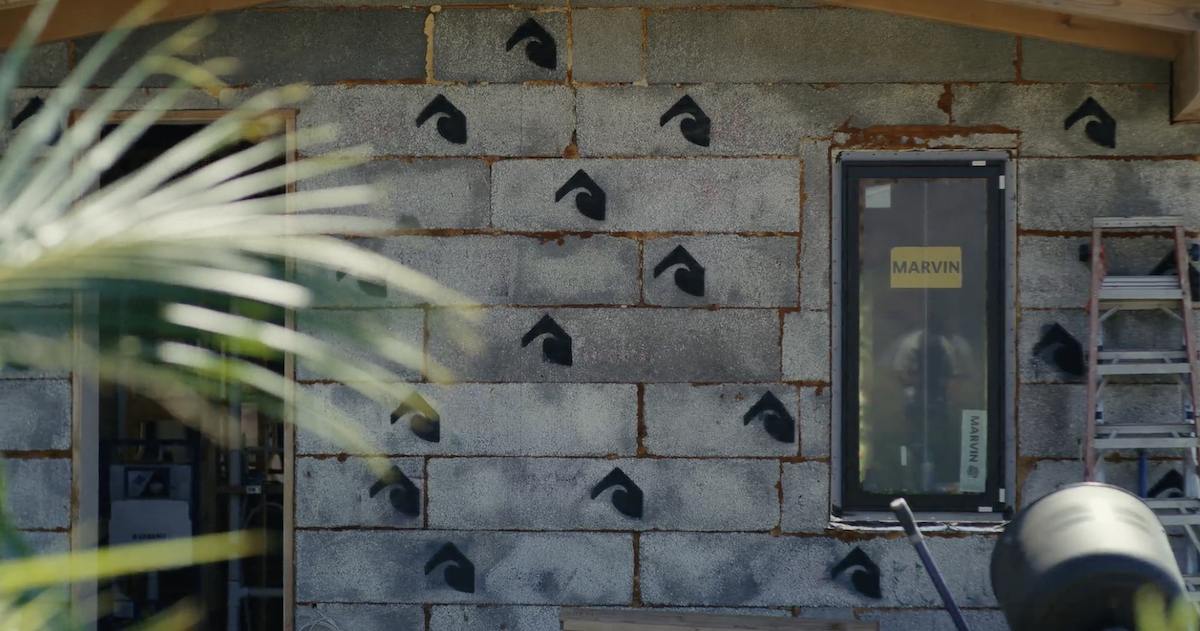
The walls are built with SurfBlock, an Insulated Concrete Composite Form (ICCF) system with a story as local as the project itself. SurfBlock is fabricated from recycled expanded polystyrene (EPS) foam salvaged from the surfboard shapers operating out of the same Maui cannery where Hawaii Off Grid's own studio is located. What would otherwise be industrial waste becomes the structural and thermal backbone of the home.
The system delivers an R-40 insulation value, dramatically reducing the cooling load and making the minisplit heat pump system that handles air conditioning remarkably efficient. But perhaps most critically for this location, SurfBlock is inherently fire-resistant, a non-negotiable quality for any structure built in the fire-prone landscape of west Maui. When the surrounding environment demands resilience, the wall system delivers it without compromise.
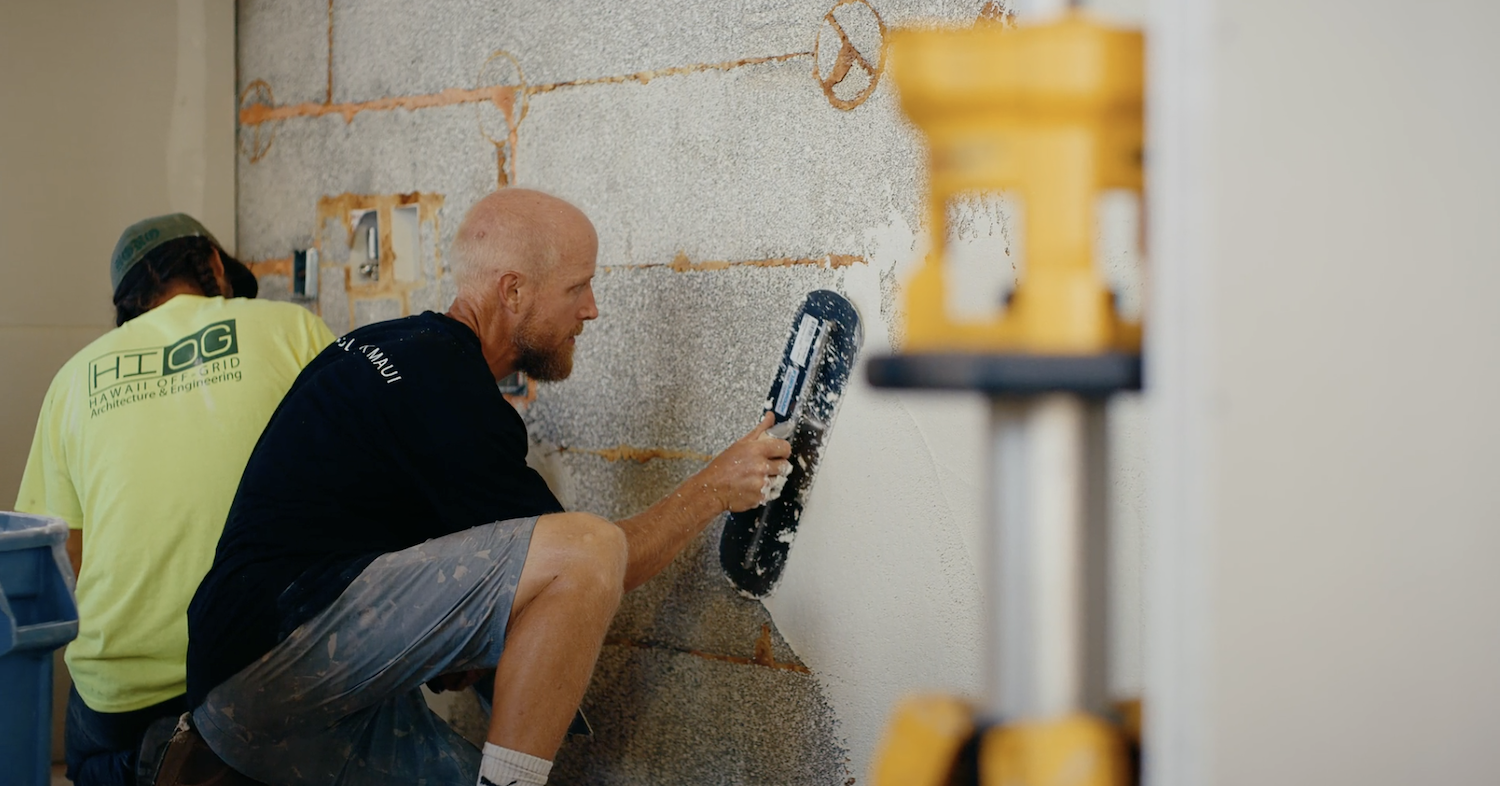
Stucco was applied directly to the exterior face of the SurfBlock walls, giving the home its clean, sun-bleached expression. Inside, Venetian plaster was applied directly to the ICCF surface, no framing, no drywall, resulting in walls with thermal mass, a refined finish, and a seamless connection to the material beneath.
Every system in the Olowalu Project, from its power generation to its construction materials, reflects a shared commitment between the client and design team to build lightly and build wisely. It is proof that sustainability and beauty are not competing values, and that thoughtful design can make the most of even the most constrained conditions.