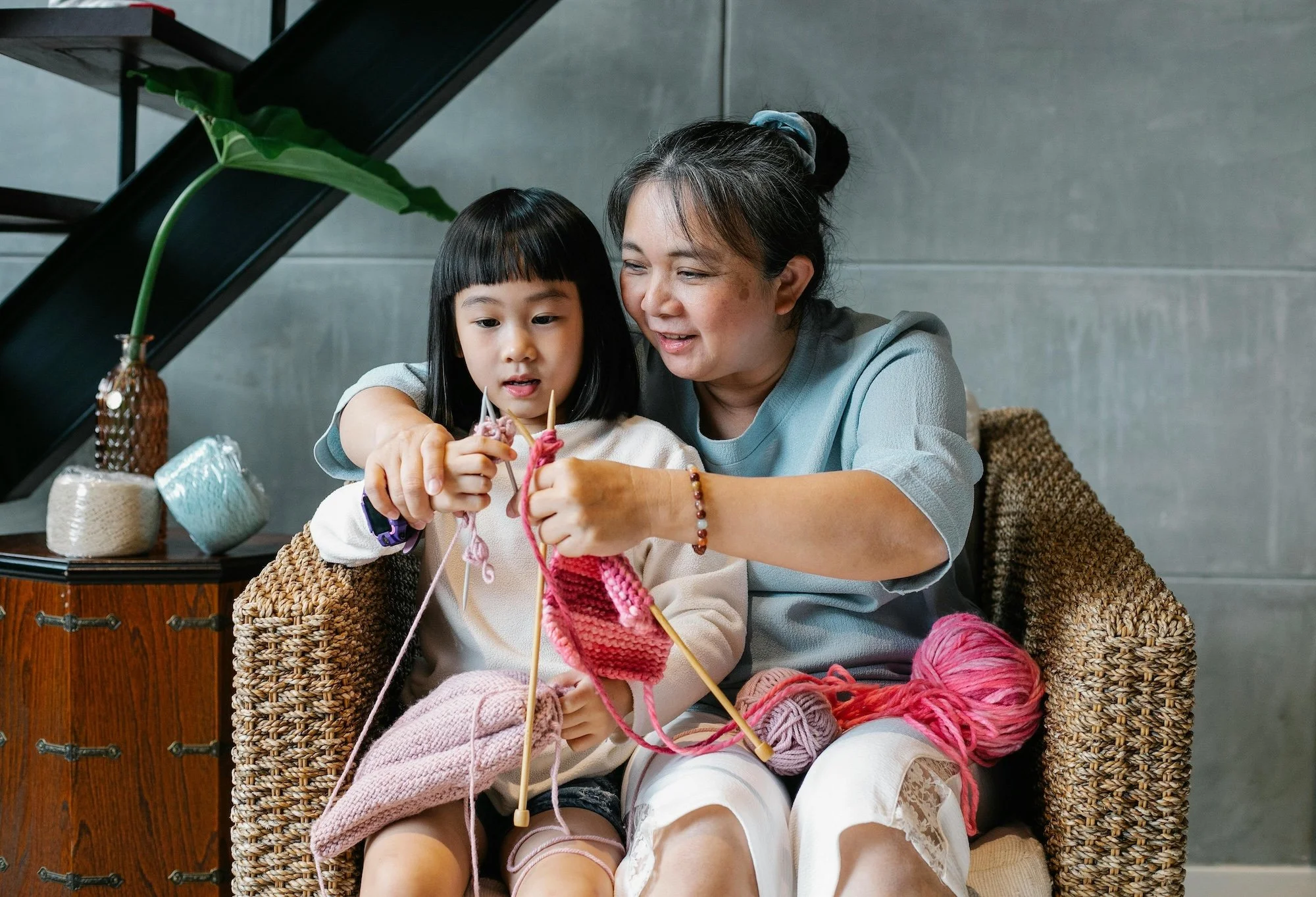
Why Multi-Generational Living Makes Sense in Hawai’i
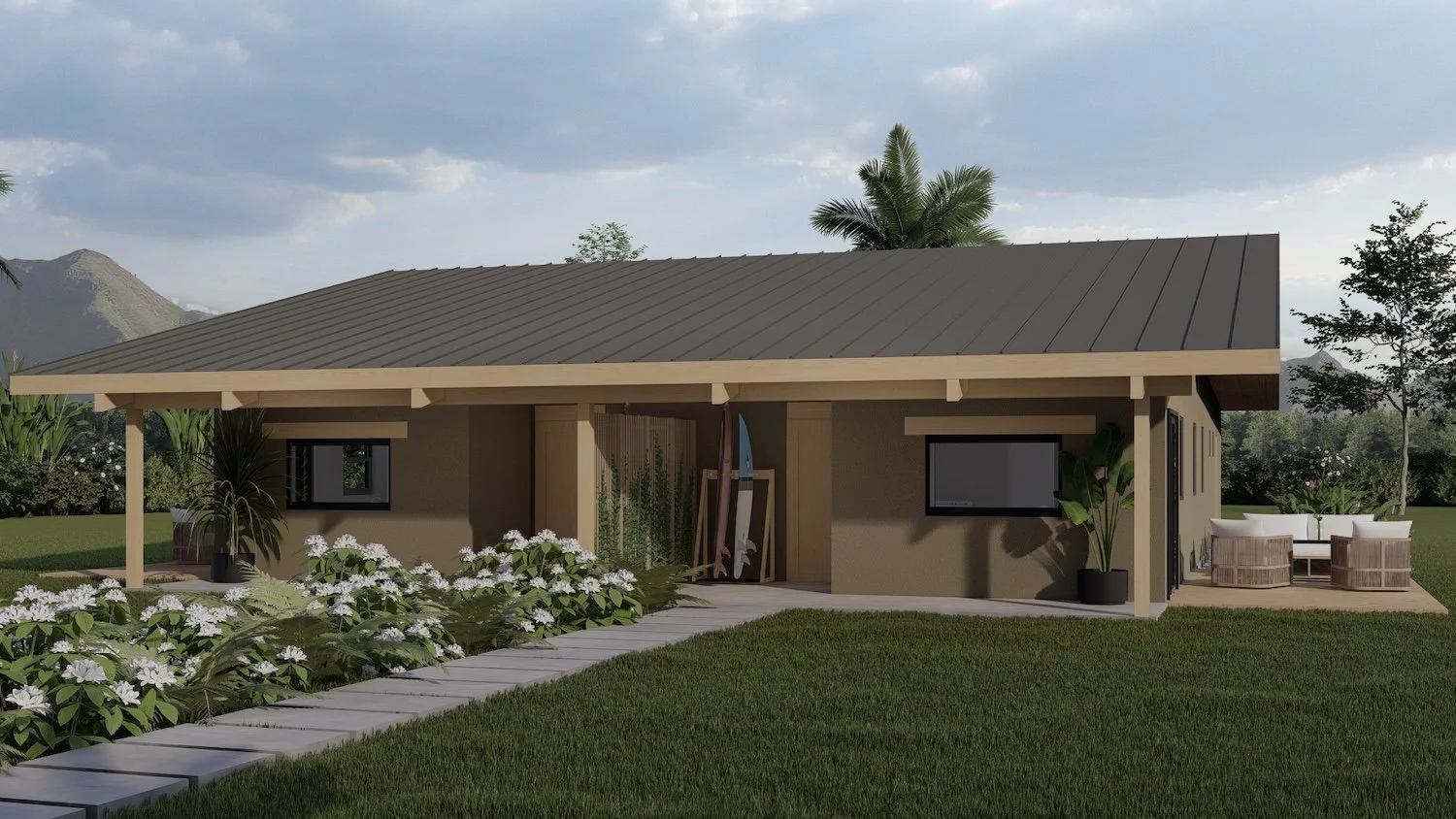
In Hawaiʻi, multi-generational living isn’t a trend — it’s a way of life. Rooted in the value of ʻohana, many families across the islands share homes with grandparents, parents, and keiki under one roof or within one property. As housing costs rise and land becomes increasingly limited, designing homes that intentionally support multi-generational living has never been more important.
At Hawaii Off-Grid Architecture & Engineering, we see firsthand how thoughtful design can strengthen families, preserve culture, and create long-term resilience.
1. Shared Financial Stability
Hawaiʻi consistently ranks among the most expensive housing markets in the country. Sharing a property allows families to:
Split mortgage or rent payments
Share utility and maintenance costs
Reduce childcare and eldercare expenses
Invest in property ownership together
Pooling resources can make homeownership achievable for families who might otherwise be priced out. Over time, this shared investment builds generational wealth — something especially meaningful in a place where keeping land in the family matters deeply.
2. Built-In Support Systems
Multi-generational homes naturally foster connection and care. Grandparents can help with childcare. Adult children can assist aging parents. Meals are shared. Traditions are passed down daily rather than occasionally.
Instead of outsourcing support systems, families become their own village.
In Hawaiʻi’s culture of reciprocity and community, this kind of living arrangement feels aligned with both tradition and practicality.
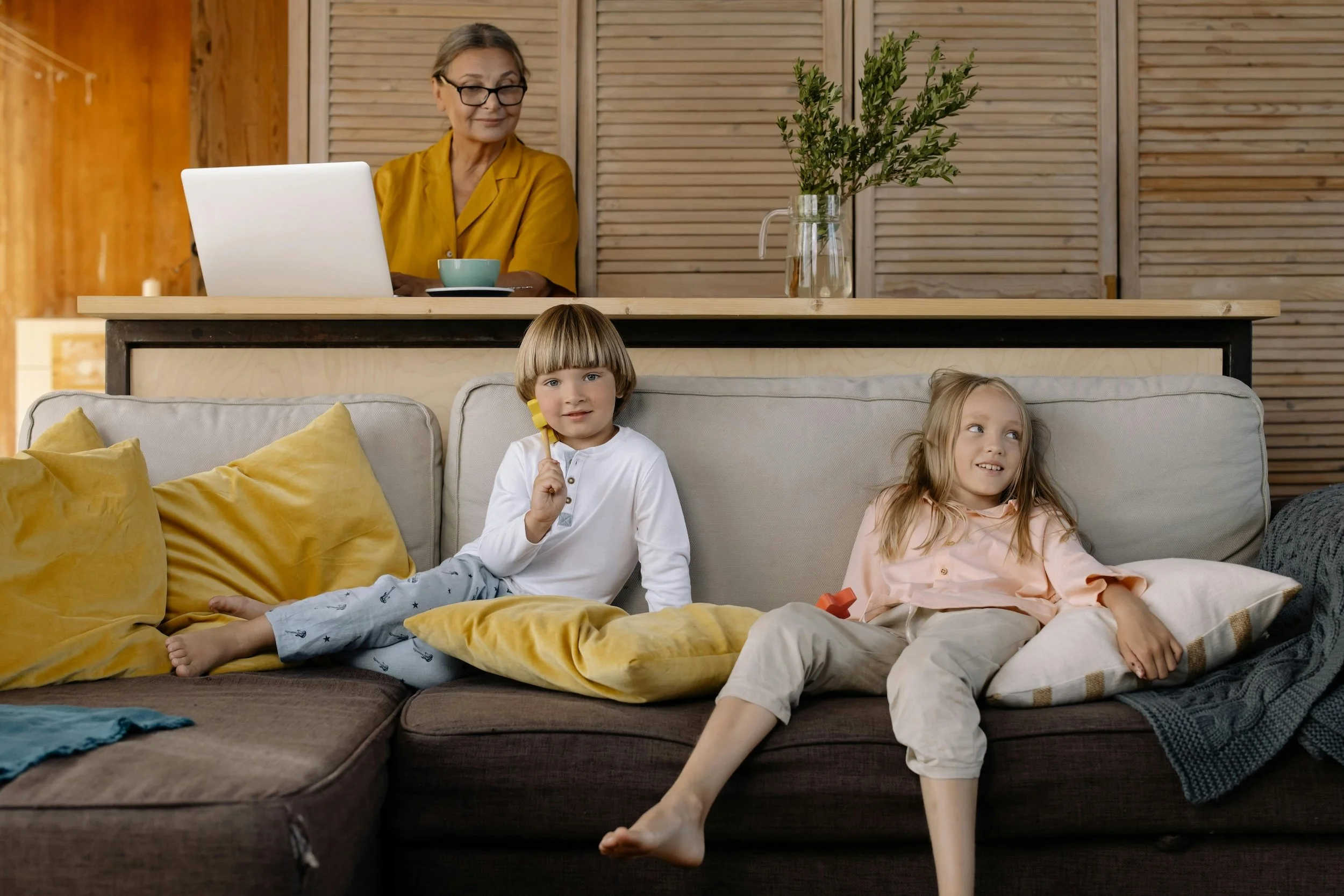
The Case for Building a Multi-Generational Home
Intentional design makes all the difference. A well-designed multi-generational home balances togetherness and privacy — a key factor in long-term harmony.
Flexible Layouts
Modern multi-gen homes often include:
Separate living areas
Dual primary suites
Lock-off spaces with kitchenettes
Multiple entrances
This allows different generations to live independently while staying connected.
Adding an ʻOhana to an Existing Home
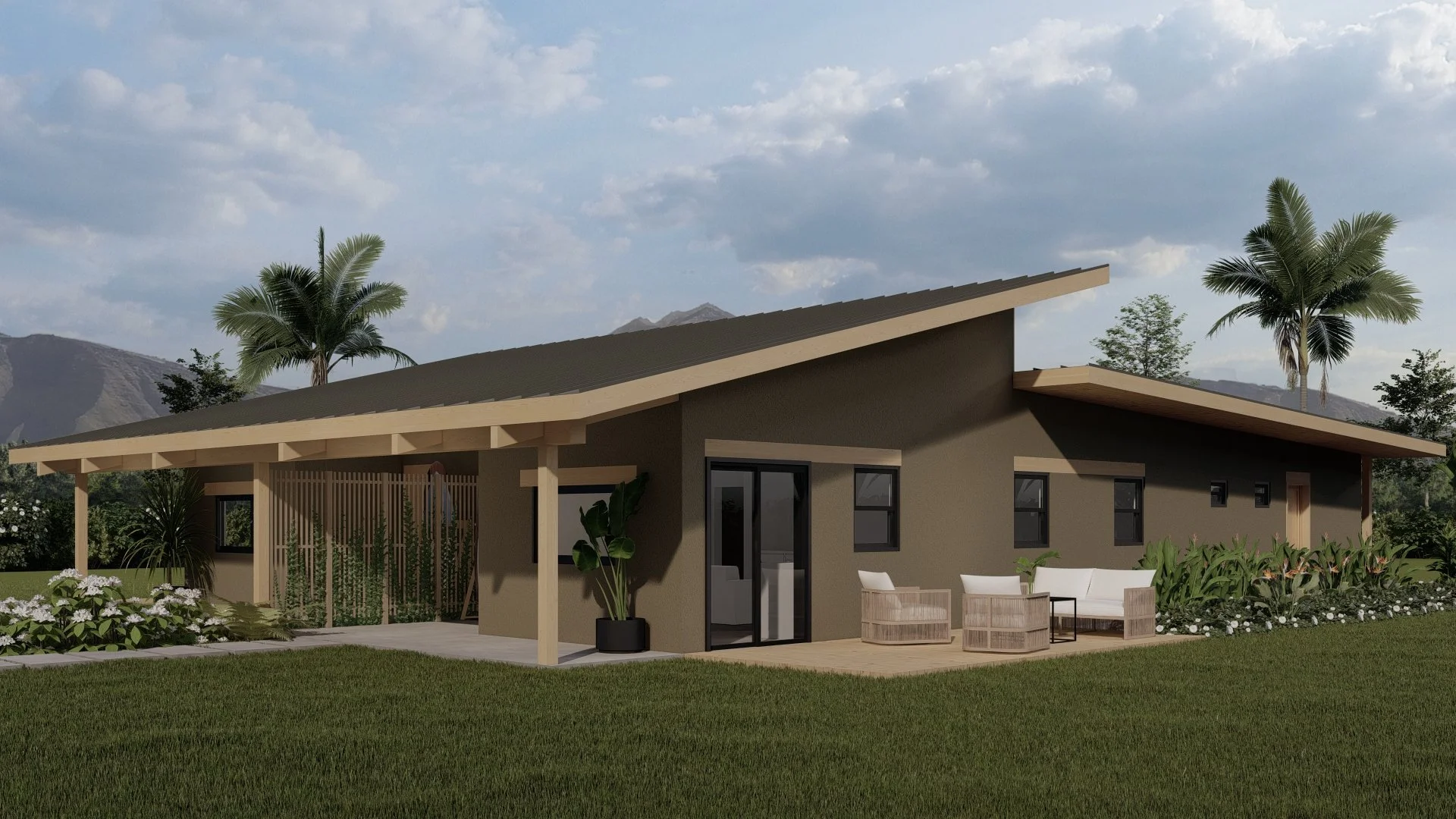
One of the most practical strategies in Hawaiʻi is adding an ʻohana unit — a secondary dwelling — to an existing property.
An ʻohana unit can:
Provide housing for aging parents or returning adult children
Generate rental income (where permitted)
Increase property value
Maximize land use without expanding the primary footprint
In many cases, adding an ʻohana allows families to stay on land they already own rather than searching for a new property in an increasingly competitive market.
Thoughtful siting, privacy buffers, and shared outdoor spaces are essential to ensure the addition feels cohesive — not crowded.
Cultural Continuity & Resilience
In Hawaiʻi, land is more than real estate — it is legacy. Multi-generational living helps families remain rooted in place. It keeps cultural knowledge, language, and traditions alive within the home.
It also builds resilience. In times of economic shifts or natural disaster recovery, families living together are often better positioned to support one another.
Designing for the Future
Multi-generational living is not simply about fitting more people into a house. It is about designing homes that evolve — spaces that allow families to grow, adapt, and remain connected over time.
Whether that means designing a new multi-gen home from the ground up or adding an ʻohana to an existing structure, the goal is the same:
Create housing that supports family, financial sustainability, and long-term well-being.
At Hawaii Off-Grid Architecture & Engineering, we believe homes should serve generations — not just one moment in time. Thoughtful design can strengthen ʻohana today while preserving opportunity for tomorrow.
Reach out if you are interested in adding an ‘ohana or want to design a multi-generational home for your family.